Who has the capacity to make an admission?
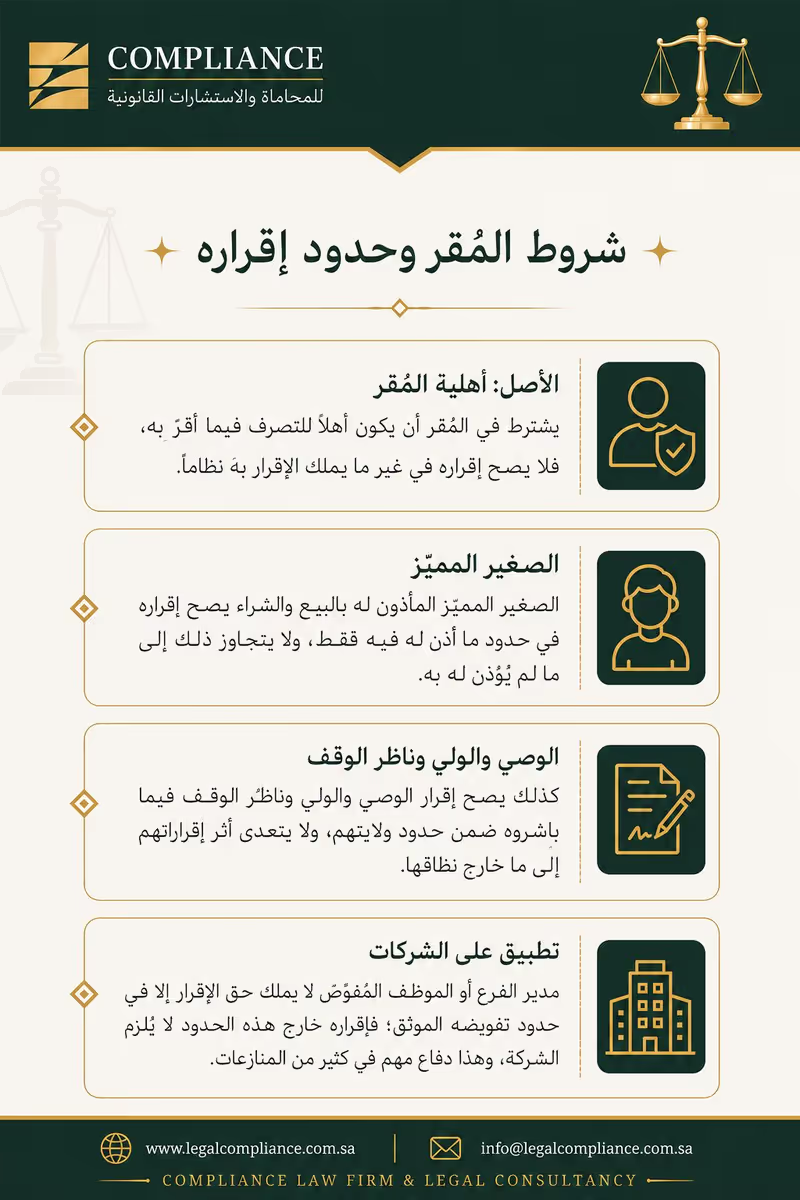
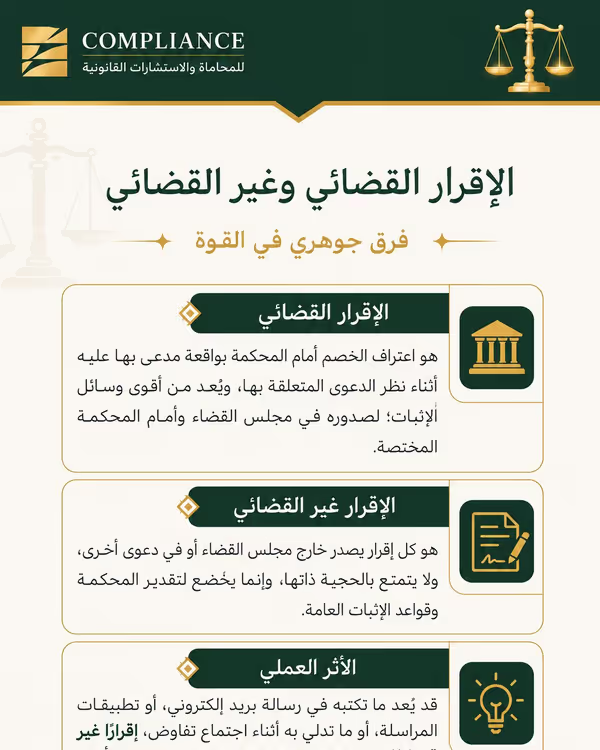
An admission is among the strongest forms of evidence — but that strength depends entirely on who made it. It is not enough that an admission was made; it must come from someone with the legal capacity to dispose of its subject matter.
Article 15 of the Saudi Evidence Law establishes this control, tying the validity of an admission to the capacity of the person making it and to the scope of their mandate or delegation. Whoever cannot dispose of a matter cannot admit to it.
What this means for businesses
This is not a theoretical point. In many commercial disputes, one side relies on an admission made by an employee or a branch manager, and the decisive question becomes: was that person actually authorised on the matter they admitted?
If the admission fell outside the limits of a documented delegation, it does not bind the company. Governing delegations, documenting them, and defining their scope precisely is therefore not merely an administrative housekeeping task — it is a direct statutory line of defence.
Practical recommendation: review the delegations held by your employees and branch managers, make sure their limits are written down and unambiguous, and make sure anyone negotiating or corresponding on the company’s behalf knows where those limits end.